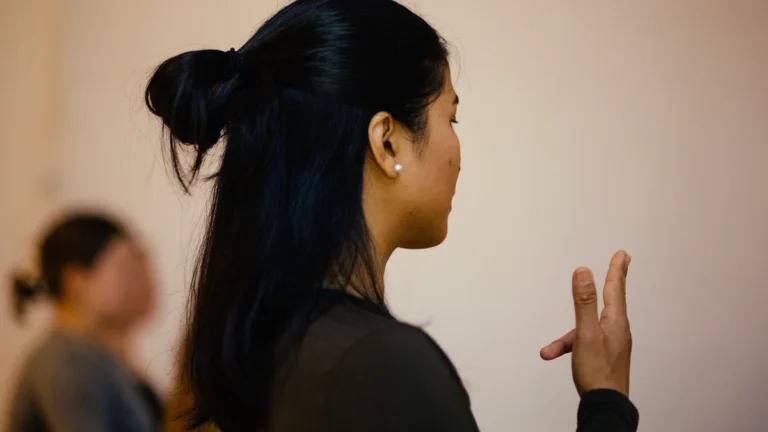
Why Does Yoga Class Begin with Breath?
Beginning with breath helps mark the transition from the rest of the day into practice. It gives the teacher and student a simple way to notice…

Styles, beginner guides and the questions people ask most.
Beginning with breath helps mark the transition from the rest of the day into practice. It gives the teacher and student a simple way to notice…
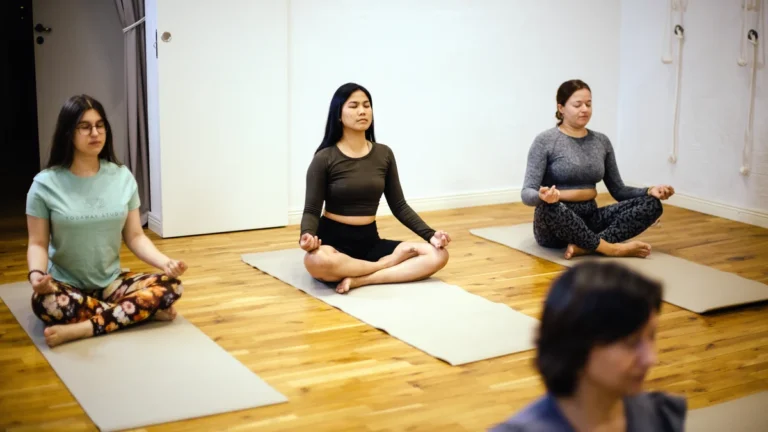
Yes. You do not need to prepare yourself before you begin. A first class is where you start learning the language of yoga: how the teacher…
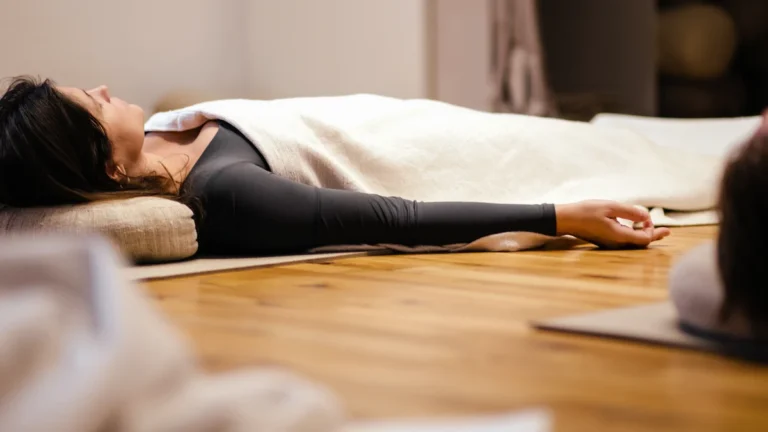
Savasana is the final resting pose. It allows effort to stop so the effects of the practice can settle without another task to perform.
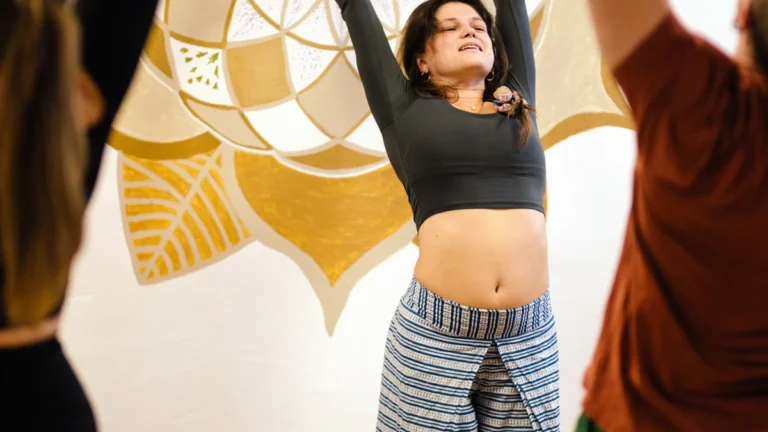
The best first class is not the one that sounds most impressive. It is the one whose pace, teacher and atmosphere help you stay curious without…
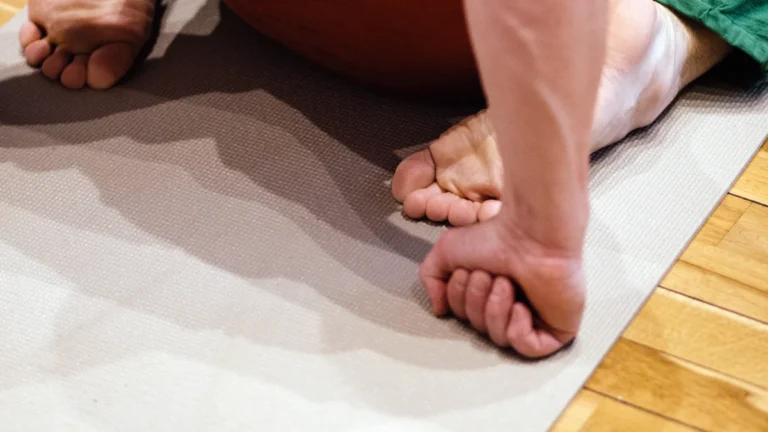
You do not have to keep up with every movement. Pause, return to a familiar position or watch until you recognise the sequence again.
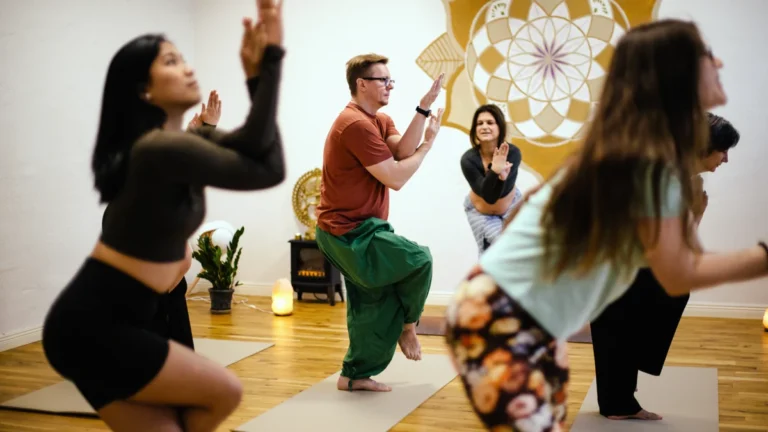
Your first class may feel unfamiliar, and unfamiliar can feel difficult. New words, movements and rhythms ask for attention at the same time. This usually becomes…

Yes. Rest is a legitimate part of practice and does not require permission. It helps you preserve awareness and return with better technique.
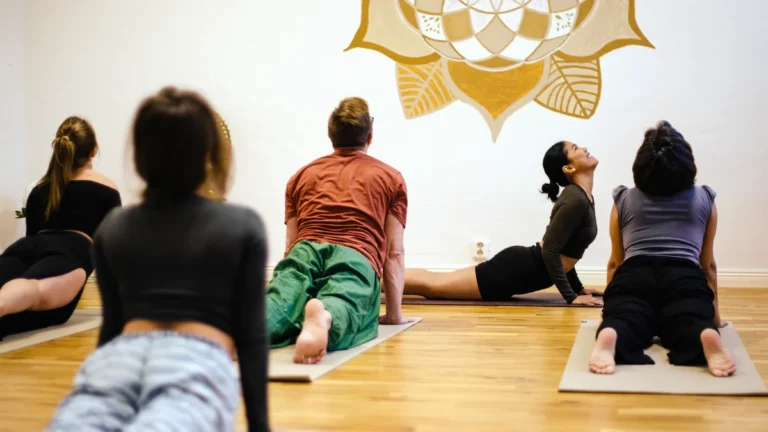
All levels means that one class welcomes students with different experience. It does not mean every posture will suit every person, or that one teacher can…

Touch policies vary. A teacher should seek meaningful consent before hands-on adjustment, and you can decline at any time without explaining why.
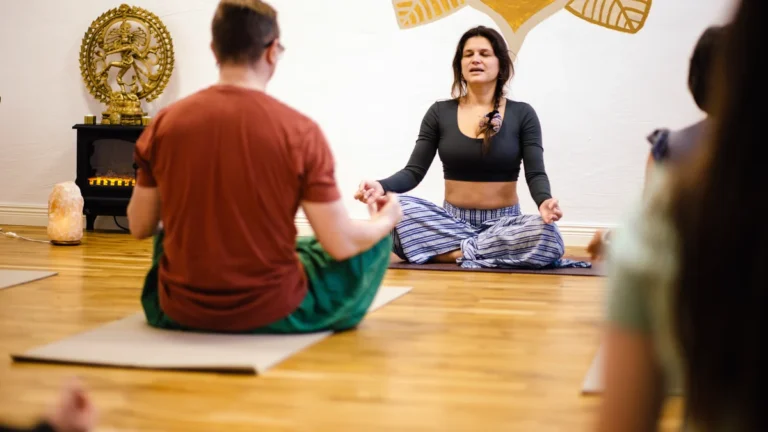
You do not need perfect English to practise yoga in English. A few repeated words, the teacher’s demonstration and the rhythm of the class usually give…