
Can I Start Yoga with No Experience
Yes. You do not need to prepare yourself before you begin. A first class is where you start learning the language of yoga: how the teacher guides, how your body responds, and how to choose what is right for you today.
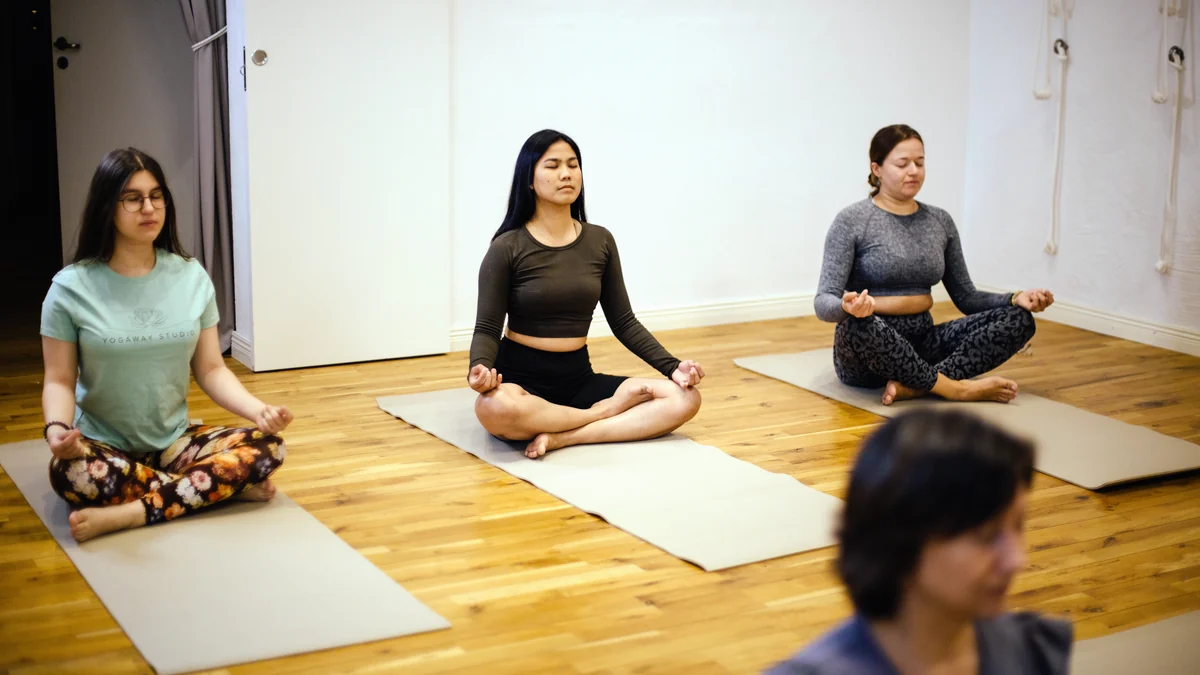
Yes. You do not need to prepare yourself before you begin. A first class is where you start learning the language of yoga: how the teacher guides, how your body responds, and how to choose what is right for you today.
Being new is part of the practice
Every student has had a first class. You may not know the names of postures, when to look at the teacher or how one movement connects to the next. That uncertainty is not a problem to solve before you arrive. It is the beginning of learning. Let yourself listen, watch and try without expecting to understand everything at once.
Choose a class that gives you room
A beginner-friendly or all-levels class can be a good place to start when the description makes the pace and purpose clear. Tell the teacher that you are new. This helps the teacher offer useful context without placing you at the centre of the room. You can choose a place where you see comfortably and still feel private enough to explore.
Your first task is orientation
In the beginning, progress may simply mean recognising a familiar instruction, finding your balance a little sooner or remembering that you are allowed to rest. Confidence grows through repetition. Return to the same class or teacher several times before deciding that yoga is or is not for you; familiarity changes the experience.
What you already bring
You arrive with breathing, sensation, curiosity and the ability to notice. These are not small things. Yoga develops from them. Experience can refine a practice, but it does not create your right to begin. You belong in the room as you are.
Continue your practice
Explore how to begin, find a class in this week’s schedule, or read the next answer in Yoga Knowledge.
See this week’s schedule or prices and passes.