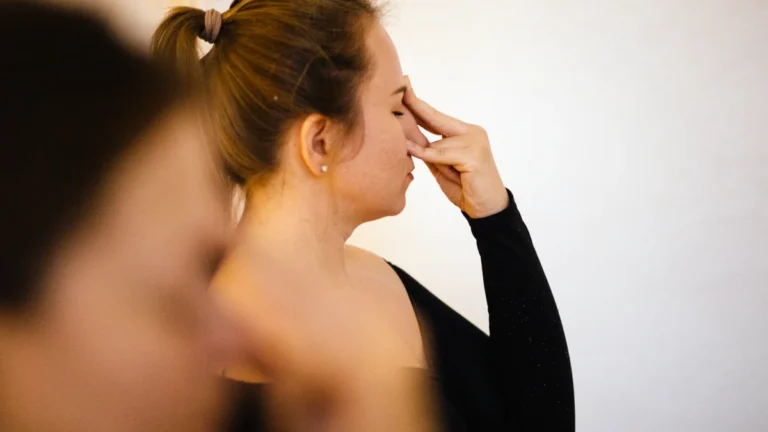
Should I Breathe Through My Nose in Yoga?
Many yoga practices use nasal breathing because it can support a steady pace and specific pranayama methods. It is not an absolute rule for every person…

Styles, beginner guides and the questions people ask most.
Many yoga practices use nasal breathing because it can support a steady pace and specific pranayama methods. It is not an absolute rule for every person…
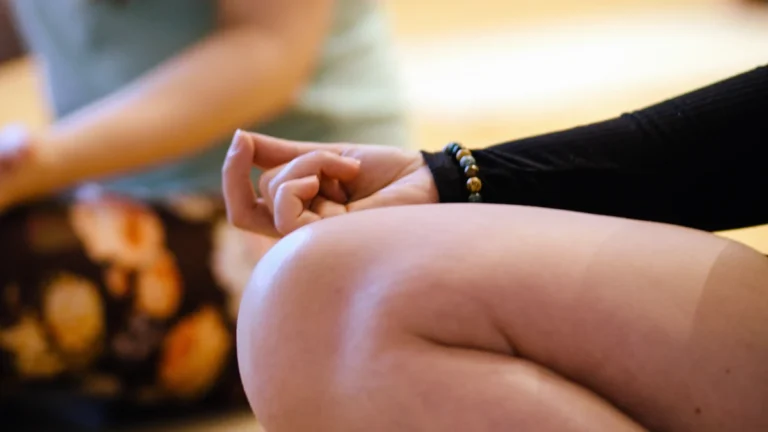
Breathwork actively changes or organises breathing; meditation trains attention and awareness. The practices can overlap, but their immediate methods differ.
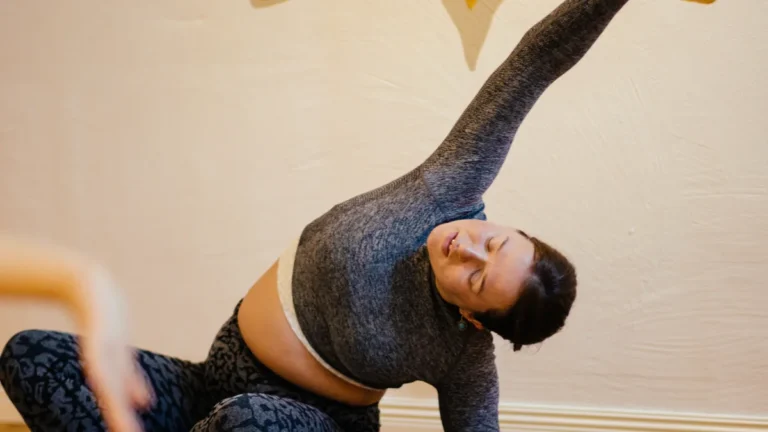
Sanskrit names connect modern classes with historical yoga traditions and give teachers a shared vocabulary across languages. Many classes use both Sanskrit and translated names.
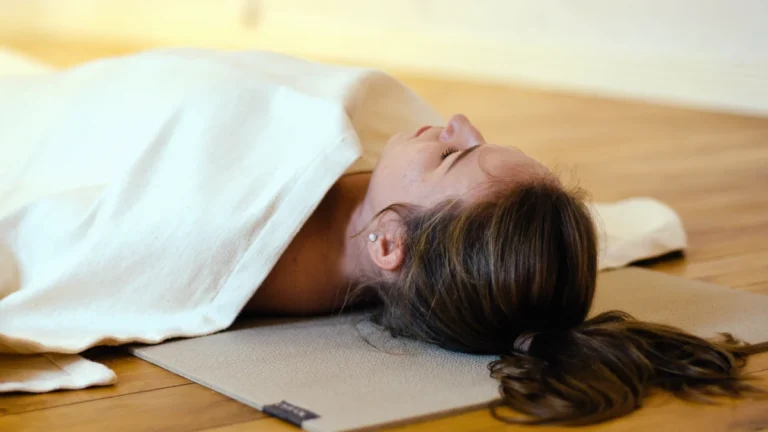
A body scan is a guided movement of attention through different regions of the body. You observe sensation, absence of sensation and change without needing to…
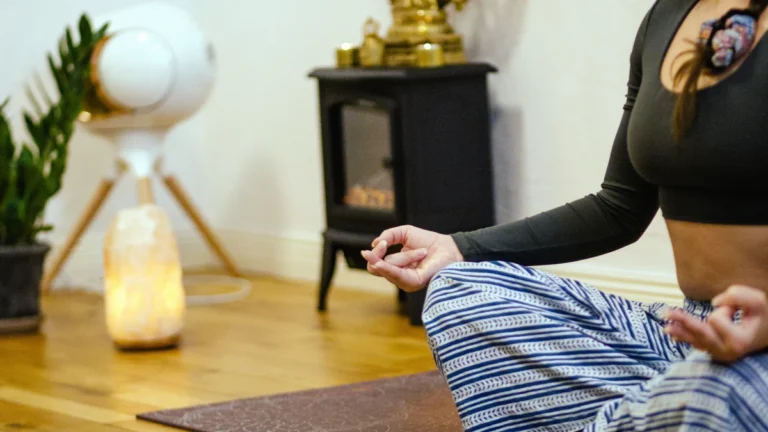
Namaste is a Sanskrit greeting built around the sense of bowing or offering respect. Its use and cultural meaning are broader than a single popular English…
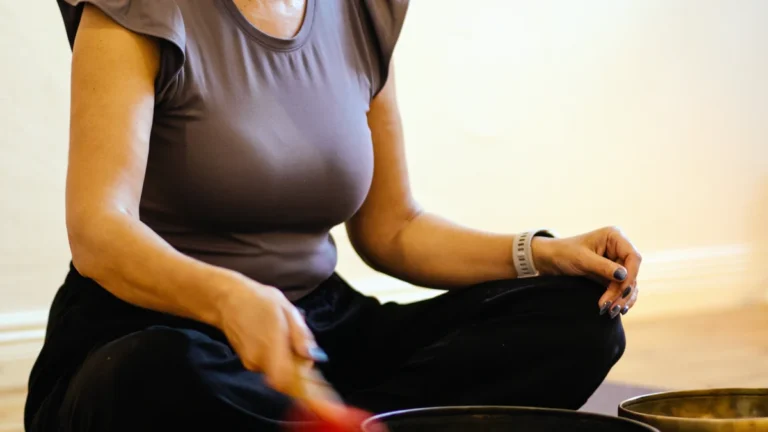
Guided meditation uses spoken instructions to support attention, imagery, inquiry or relaxation. The guide offers a route; you still choose how closely to follow it.
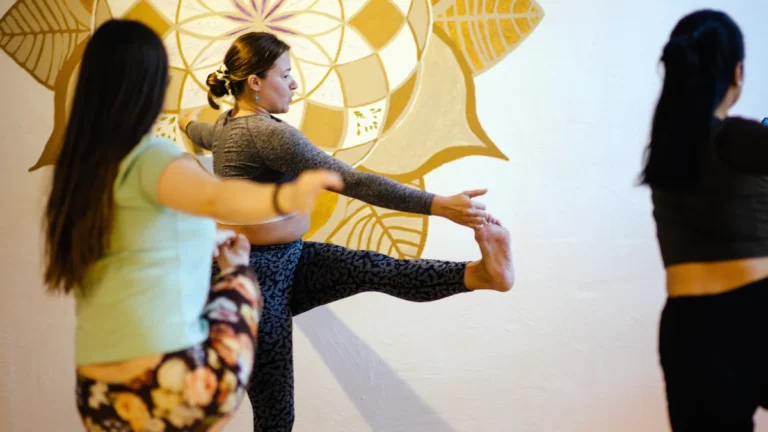
One class a week can be enough to build a meaningful practice, especially when it is regular. More classes may bring faster familiarity, but they are…
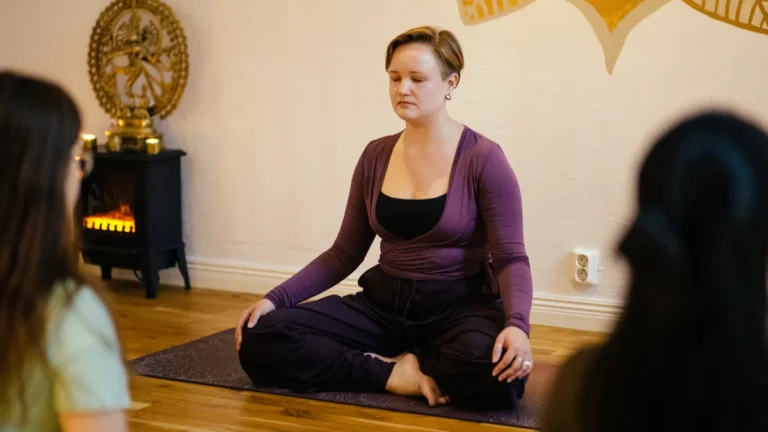
Yes. A chair is a valid meditation seat. Stability and sustainable alertness matter more than sitting on the floor.
Often yes, if the sessions differ in load and you respond to how your body feels. Two intense, unfamiliar classes may require more recovery than a…
Stillness can make activity that was already present easier to notice. Restlessness may appear as thoughts, impulses, tension or a strong wish to move.